Country Crafts Design
First Impressions: Rustic Charm, But Does It Stitch Clean?
Opening Country Crafts Design for the first time, I felt that familiar spark—warm, nostalgic, full of hand-drawn charm. Think gingham borders, sprigs of lavender, vintage-style roosters, and hand-lettered phrases like “Home Grown” or “Bake & Believe.” It’s not sleek or minimalist. It’s intentionally folksy—soft curves, uneven line weights, and a gentle asymmetry that says “made with care,” not “designed in a vector grid.” That mood is its strength—and its first test. Because rustic doesn’t always translate cleanly to machine embroidery.
A Real-World Test: Embroidering a Linen Kitchen Towel
Last week, I used one of the smaller motifs from Country Crafts Design—a 3.2" wide wheat sheaf with a subtle burlap texture fill—to embroider a natural linen tea towel for a local boutique. The goal was handmade warmth, not pixel-perfect precision. I chose a medium-weight cutaway stabilizer, 40-weight cotton thread in oatmeal and soft sage, and ran it on my mid-arm machine at 650 SPM. The result? Delightfully tactile—but only because I’d already tested the file on scrap fabric first. Without that step, the fine stems would’ve blurred into a muddy satin stitch blob. The design’s gentle tapering lines and open negative space held up beautifully *only* when stitch density wasn’t pushed too high. On dense fill areas (like the woven basket motif), I slowed the machine and added a light tear-away topper—essential for keeping surface texture legible on textured linen.
Where Country Crafts Design Shines—and Where It Needs Guardrails
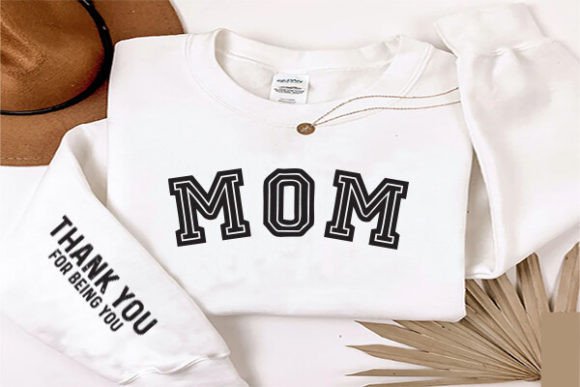
- Perfect for: Sweatshirt embroidery (especially on fleece-backed cotton), embroidered patch backings, aprons with relaxed branding, baby embroidery on organic cotton onesies (choose simpler motifs—no tiny berries), and holiday embroidery on canvas totes or wool-blend blankets.
- Use carefully on: Stretchy fabric (like jersey t-shirts—opt for the running-stitch outlines only, skip dense fills), dark fabric (some lighter motifs lose contrast; test black-and-white mockups first), curved surfaces like caps (avoid designs with central detail clusters—they’ll distort), and small hoop sizes under 4x4" (trim complex borders manually or simplify in your editing software).
- Avoid for: Tiny lettering on infant hats (the script fonts aren’t optimized for sub-1" heights), layered garments (like reversible jackets—dense fills add bulk), or products requiring frequent commercial laundering (check stitch density—if it feels stiff or thick, reduce underlay or switch to softer fill angles).
Design Assets That Support—Not Sabotage—Your Craft Business
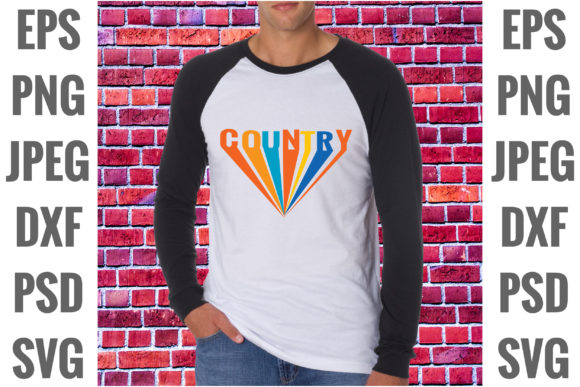
What makes Country Crafts Design genuinely useful for Etsy sellers and small shop owners isn’t just the variety—it’s how the formats support real workflow. The EPS and SVG files let me quickly isolate elements for custom applique designs. The PNGs are crisp enough for printable mockups (I dropped one into a flat-lay photo of a ceramic mug and linen napkin—customers instantly “got” the vibe). And the PSD? A quiet lifesaver when I needed to adjust contrast for a dark-fabric sample without re-digitizing.
But here’s what matters more than format count: consistency of intent. Every motif in Country Crafts Design feels like part of the same family—not a random bundle slapped together. That cohesion builds brand trust. When a customer sees your embroidered pillow cover, tote bag, and matching kitchen towel all using variations of the same floral border or script style, they recognize craftsmanship—not just decoration. That’s how handmade product becomes memorable, and how personalized gift feels intentional, not generic.
Practical Embroidery Designer Notes You’ll Actually Use
- Always test on scrap fabric first—especially with textured or loosely woven materials. Country Crafts Design leans into organic imperfection, but your machine won’t know the difference between “intentional roughness” and “stitching error.”
- Review stitch density before hooping. If fill areas exceed 18–22 stitches/mm², consider simplifying or switching to a looser fill pattern—especially for apparel.
- Confirm hoop size compatibility. Some layouts assume a 5x7" hoop. If you’re working with a 4x4", check which motifs scale down cleanly—or plan to split larger compositions.
- Inspect small details at 200% zoom. Tiny leaves, whiskers on animal motifs, or thin script strokes may vanish on low-res embroidery. Adjust manually if needed.
- Test thread color contrast on both light and dark fabric backgrounds. What reads as “vintage cream” on white can disappear on charcoal—swap to heather gray or warm taupe instead.
- Use proper stabilizer for your base + top layer. Cutaway for knits, tear-away for stable wovens, and a light topping for napped fabrics like terry cloth.
- Verify licensing before selling finished items or digital products. Country Crafts Design includes multiple formats—but commercial use rights aren’t implied by file type alone. Always confirm scope with the seller.
Final Thought: Not Just a Graphic—A Starting Point
Country Crafts Design isn’t a plug-and-play T-Shirt Designs solution. It’s a palette. A mood board in file form. Used thoughtfully—with attention to fabric, stabilizer, thread choice, and customer expectation—it elevates sweatshirt embroidery into storytelling, turns baby embroidery into heirloom sentiment, and gives craft business owners a cohesive visual language across products. It won’t save you from testing, tweaking, or knowing your machine inside out. But it *will* reward that effort with warmth, authenticity, and quiet professionalism—exactly what handmade product buyers are searching for.