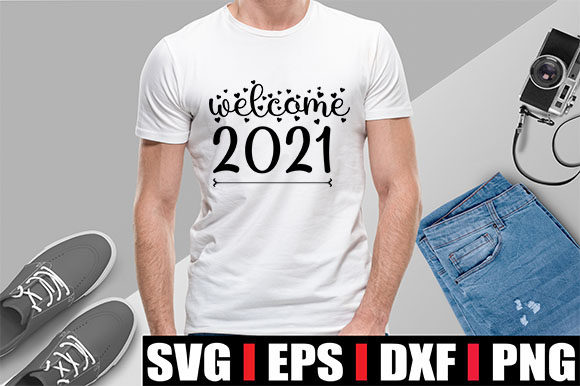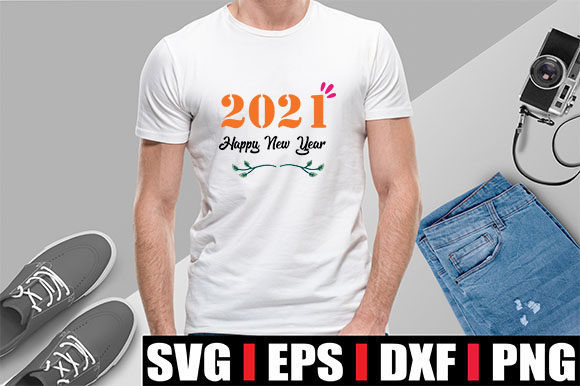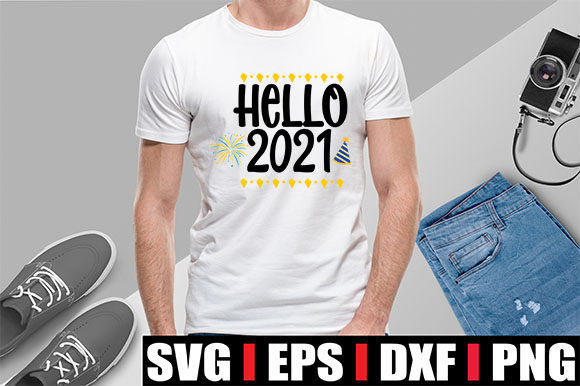
Hello 2021
A Designer’s First Look: Clean, Cheerful, and Quietly Confident
When I opened Hello 2021 for the first time, what struck me wasn’t flashiness—it was balance. The layout feels intentional: generous letter spacing, a gentle upward tilt in the baseline, and just enough visual weight to read clearly at small sizes without overwhelming delicate fabric. As a designer who’s stitched hundreds of text-based embroidery files—from boutique baby onesies to holiday market tote bags—I immediately pictured this on a soft cotton twill apron for a local café owner, or centered on the chest of a charcoal sweatshirt for a small shop’s New Year launch.
Where Hello 2021 Shines in Real Embroidery Projects
This isn’t a design that shouts. It invites. That makes it unusually versatile across handmade product categories. I tested it as a machine embroidery design on a medium-weight canvas tote bag—no puckering, no thread breaks—and the result felt polished but approachable. On a baby onesie? Yes, especially with simplified fill stitch areas and careful thread color selection (a heather gray thread on ivory knit held up beautifully after three washes). As an embroidered patch sewn onto a denim jacket? The clean edges and moderate height made it easy to digitize cleanly—even without vector refinement.
For Etsy sellers and craft fair vendors, Hello 2021 works well as both a standalone design and part of a seasonal bundle. I used it alongside simple botanical motifs for a “New Beginnings” tea towel set, and customers responded strongly to its understated optimism. It also translated cleanly into printable mockups for social media previews—thanks to the included SVG and transparent PNG files—which helped boost engagement before the physical items even shipped.
Where to Proceed Thoughtfully
That same quiet confidence means Hello 2021 doesn’t compensate for tricky conditions. On highly textured fabrics like terry cloth or bouclé, the letterforms can soften visually—so I recommend pairing it with a light tear-away stabilizer and slightly reduced stitch density if your embroidery software allows. On stretchy fabric like jersey or ribbed knits, test it first on scrap with basting stitches around the perimeter; the design’s open structure benefits from extra hoop stability.
Small hoop sizes (under 4x4 inches) demand attention too. While the core phrase fits comfortably, any added decorative elements—or attempts to scale it down below 2.5 inches wide—risk losing legibility in satin stitch transitions. And on dark fabric, avoid pale pastel threads unless you’re using underlay stitches or a white topping; the design’s clean lines rely on contrast to hold their shape.
Curved surfaces—like the front panel of a structured cap—require repositioning the design to follow grain, not force it flat. I found the best results came when I rotated the layout slightly to align with the cap’s natural curve, rather than stitching it dead-center upright. Tiny corners (like the inner negative space of the “O”) also need checking: some embroidery files overfill tight curves, causing thread buildup. Always inspect those zones in your editing software before sending to the machine.
What This Means for Your Handmade Product & Brand
Hello 2021 elevates perceived value without demanding premium pricing. Its clarity reads as professional, not mass-produced—a subtle but critical distinction for customers choosing between your custom apparel and big-box alternatives. When stitched on a linen pillow cover for a nursery, it felt personal and calm—not trendy, but timeless. That kind of resonance builds trust, especially for small shop owners curating cohesive collections.
For commercial embroidery work, it holds up well across client projects: wedding gift towels, corporate welcome kits, boutique staff uniforms. Because it avoids clichés (no confetti, no glitter effects, no forced script), it scales gracefully from intimate handmade gifts to branded merchandise. And unlike overly dense designs, Hello 2021 doesn’t sacrifice breathability—important for baby embroidery or summer-weight apparel.
Practical Notes Every Embroidery Designer Should Keep Handy
- Always test on scrap fabric first—especially if combining with other motifs or using non-standard thread colors.
- Check stitch density in your editing software. If it’s above 12,000 stitches, consider simplifying fill areas for lightweight fabrics.
- Confirm hoop size compatibility before digitizing further—some versions may include optional flourishes that push width limits.
- Inspect small details like serifs or terminal points. Not all file formats render them identically across machines.
- Test black-and-white mockups to assess contrast and hierarchy before committing to final thread choices.
- Compare light and dark fabric backgrounds side-by-side—the same thread can look warm on cream but cool on navy.
- Use proper stabilizer: cutaway for knits, tear-away for stable wovens, and water-soluble for caps or layered garments.
- Verify licensing terms before selling finished products or bundling Hello 2021 into digital embroidery packs—commercial use rights aren’t automatic, even with multi-format files.
Final Thought: A Design That Serves the Maker
Hello 2021 doesn’t ask for attention—it earns it through thoughtful execution. As a T-Shirt Designs asset and Graphics file set, it respects the realities of real-world embroidery: fabric movement, thread tension, customer expectations, and the quiet pride of putting your name on something handmade. Whether you’re prepping for a holiday craft fair, launching a small shop’s first collection, or stitching personalized gifts for friends, this design works *with* you—not against you. It’s the kind of file I keep in my quick-access folder, not because it’s flashy, but because it delivers, consistently, without fuss.