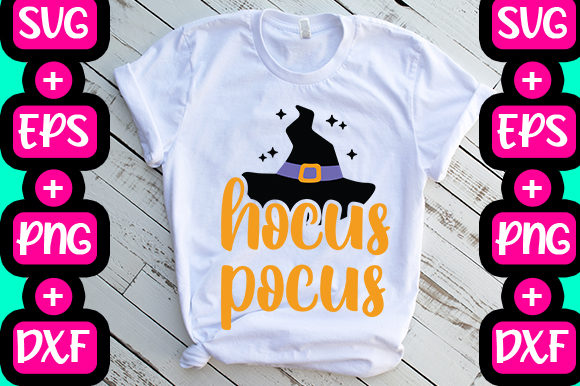
Hocus Pocus Graphics for T-Shirt Designs
As a handmade business designer who’s shipped over 12,000 custom craft orders—from Cricut-cut vinyl mugs to sublimated tote bags—I opened Hocus Pocus with one question: “Can I trust this in my next seasonal collection?” Not just for fun, but for real customer orders, Etsy listings, and craft fair inventory. The answer? Yes—but only after a few intentional checks.
First Impression: Festive, Playful, and Instantly Recognizable
Hocus Pocus lands with that perfect Halloween balance: whimsical but not childish, bold but not overwhelming. It reads as playful and slightly theatrical—think vintage apothecary meets modern party aesthetic. It’s not elegant or rustic; it’s confident, decorative, and full of personality. My ideal customer? A 28–45-year-old creative who buys handmade gifts for friends, decorates their home with intention, and shops Etsy for joyful, well-designed pieces—not generic clipart. This graphic leans into that energy without feeling dated or overly cartoonish.
Where Hocus Pocus Shines in Real Crafting Workflows
I tested Hocus Pocus across six product types I make weekly: vinyl-cut tumblers, printable gift tags, sublimated cotton totes, Cricut-pressed t-shirts, sticker sheets for planners, and layered cardstock invitations. Here’s where it truly delivered:
- Cricut & Silhouette projects: The SVG file imported cleanly—no stray nodes or overlapping paths. I resized it from 3" to 12" without distortion, and the cut lines stayed crisp on both smooth and textured vinyl.
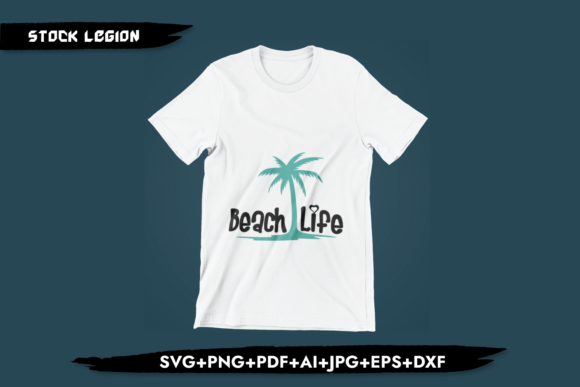
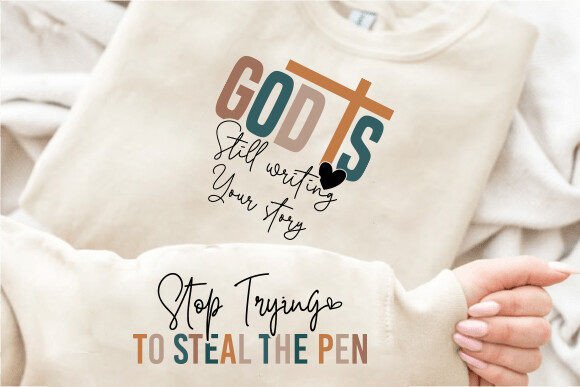
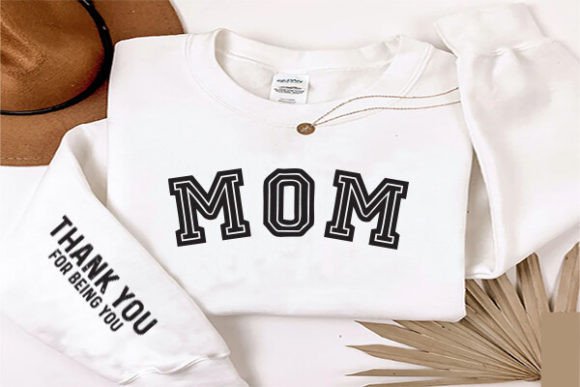
- T-shirt design: Used the PNG (300 DPI, transparent background) for heat-transfer vinyl mockups. It scaled beautifully on black and heather grey tees—no pixelation, no fuzzy edges. Paired it with a bold sans serif font for shop listings, and a delicate script for “hand-poured” mug labels.
- Sticker design & planner pages: The clean outlines and balanced negative space made it ideal for kiss-cut sticker sheets. No thin interior details that jammed my cutter at small sizes (tested down to 1.25").
- Printable design & digital product bundles: Bundled Hocus Pocus with three coordinating patterns into a “Spooky Season Printables” pack. The EPS and DXF files gave me flexibility for Canva, Affinity Designer, and Silhouette Studio users alike.
- Small business branding: Used the SVG as a subtle watermark on packaging inserts and thank-you cards—small enough to feel intentional, large enough to read as a brand signature.
Where to Use Hocus Pocus Thoughtfully
This isn’t a one-size-fits-all graphic—and that’s good. Its charm lies in its character, not its neutrality. So here’s where I slowed down:
- Very small cutting details: The “cauldron steam” element has fine wisps. At under 0.75", those disappeared in vinyl weeding. I simplified it manually for sticker sheets under 1".
- Layered vinyl projects: The original file isn’t pre-separated by color. For multi-layer decals (e.g., gold cauldron + black text), I had to ungroup and assign layers myself—doable, but not plug-and-play.
- Low-contrast applications: On kraft paper gift tags or beige canvas totes, the lighter interior lines faded. I adjusted opacity or added a subtle drop shadow in Illustrator before printing.
- Crowded compositions: When placing Hocus Pocus alongside other Halloween icons (bats, ghosts, pumpkins), it dominated. I reserved it as a focal point—not a filler.
Practical Crafter Notes You’ll Actually Use
Here’s what I did before listing anything with Hocus Pocus—and what I recommend you do too:
- Test the SVG design in your machine software first. Imported into Cricut Design Space and Silhouette Studio—checked for hidden layers, double-cut lines, or embedded raster elements.
- Preview PNG transparency at actual print size. Opened it in Photoshop at 300 DPI, placed over white/dark backgrounds, and checked edge clarity—especially for sublimation mugs.
- Confirm commercial license terms. Verified the seller grants unlimited commercial use for physical handmade products (yes) and digital resale (no—so no reselling the SVG itself).
- Mock it up on real products. Placed Hocus Pocus on tumbler wrap templates, shirt placement guides, and printable tag layouts—not just stock mockups.
- Resize intentionally. For t-shirts: 8–10" wide. For stickers: 1.5–3". For tote bags: 12–16". Never stretched—it scales proportionally.
- Pair fonts with purpose. Used Montserrat Bold for shop banners (clean, legible), Caveat for handwritten tags (playful contrast), and Playfair Display for elegant printable art prints.
Why This Graphic Fits Your Handmade Business—Not Just Your Craft Bin
Hocus Pocus isn’t just another Halloween clipart download. It’s a versatile graphic design asset that supports multiple revenue streams: physical products (Etsy, craft fairs), digital products (printables, planner kits), and small business branding (packaging, social media). I’ve already used it in three ways this season: as the hero design on limited-edition “Witchy Wednesday” mugs, as part of a printable party kit sold to event planners, and as a branded element on my wholesale order forms.
It works because it’s cohesive—not trendy. You won’t outgrow it in two seasons. And because it comes in SVG, DXF, EPS, and PNG, it adapts to your workflow whether you’re cutting vinyl, designing for print-on-demand, or building a creative marketplace bundle.
If you sell handmade goods—even occasionally—Hocus Pocus earns its place in your design library. Not as decoration, but as reliable, licensable, production-ready graphics for t-shirt designs, greeting cards, stickers, and more. Just remember: test, simplify where needed, and always pair it with intention—not just convenience.