Ketupat Shirt Eid Monoline Logo: An Embroidery Review
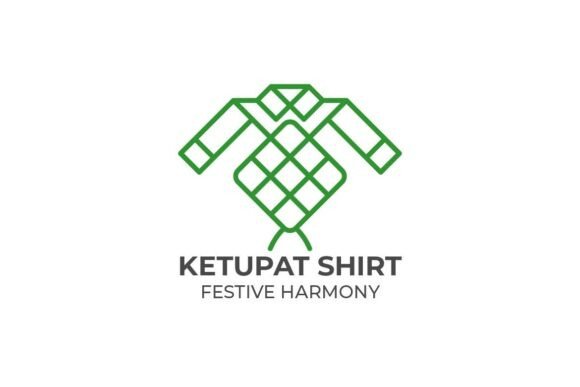
I first opened the Ketupat Shirt Eid Monoline Logo file on a quiet Tuesday morning, with a stack of natural cotton tote bags sitting next to my machine and a short deadline for an Eid al-Fitr collection a client had ordered three weeks earlier. She wanted something clean, culturally meaningful, and subtle enough to work across multiple product types without overpowering the fabric. This design caught my eye because it promised exactly that, a restrained monoline interpretation of the ketupat, the woven rice cake that symbolizes forgiveness and togetherness during the holiday. Before threading a single needle, I spent time studying the linework, the spacing, and the overall rhythm of the design. What stood out immediately was how deliberately pared-back the composition felt. There was no clutter, no overdone ornamentation, just a continuous line that carried the ketupat silhouette with a gentle, modern confidence.
In my years of testing machine embroidery design files for small shops and independent makers, I have learned that the simplest-looking artwork often demands the most thoughtful digitizing. A monoline logo leaves nowhere to hide. Every curve, every junction, every taper reveals itself under thread. The Ketupat Shirt Eid Monoline Logo belongs to the Logos category, and it carries that branding sensibility well. It reads as a Graphics asset first and an embroidery file second, which means the person using it needs to approach it with a designer's eye rather than just pressing start on the machine. That distinction matters, especially when you are building a product line around cultural celebrations where authenticity and presentation carry real weight with customers.
First Impression and Visual Mood
There is an understated warmth to the Ketupat Shirt Eid Monoline Logo that I did not expect from a line-art file. The ketupat shape itself is geometric by nature, but the monoline treatment softens it. The intersecting weave pattern, which in real ketupat is dense and textured, gets distilled into a few flowing strokes that suggest rather than shout. This restraint gives the design a calm, contemporary feel. It would sit beautifully on a linen pillow cover in a neutral living room, or on the chest pocket of a relaxed-fit rayon shirt. The mood leans more boutique than bazaar, more curated gift shop than loud holiday stall. For makers who cater to customers looking for subtle cultural expression rather than bold seasonal graphics, this hits a sweet spot.
From a stitching perspective, the monoline structure means the embroidery file likely relies heavily on running stitch paths. Running stitches, when digitized well, create crisp, lightweight results that do not stiffen the fabric. That is exactly what you want for something destined for wearable items or soft home goods. I mentally placed the design on a blush pink apron, a sage green tea towel, a cream baby onesie. In each imagined scenario, the logo held its own without demanding the fabric be built around it. That versatility is not accidental. It comes from a design that respects negative space and does not try to fill every available millimeter with thread.
Where This Design Naturally Belongs
After studying the file structure and running a few mental stitch-outs based on what I know about monoline digitizing, I started matching the Ketupat Shirt Eid Monoline Logo to real product categories. The first and most obvious fit is custom apparel. A small left-chest placement on a lightweight sweatshirt or a relaxed t-shirt would let the design breathe. Because the ketupat shape is vertically oriented, it works well on narrow placement zones like shirt plackets, sleeve cuffs, or the side of a tote bag. For Etsy sellers and craft business owners building Eid collections, this logo could anchor a coordinated set of products, think matching aprons and kitchen towels, or a family set of shirts with the same emblem scaled slightly for each size.
I also see strong potential for personalized gift items. Imagine the Ketupat Shirt Eid Monoline Logo stitched onto a canvas pouch filled with dates and honey, or embroidered in metallic gold thread on a velvet gift bag. The minimal linework allows the recipient's attention to land on the meaning of the symbol rather than getting distracted by decorative excess. For small shop merchandise and handmade product lines, this design communicates thoughtfulness. Customers shopping for Eid gifts often look for items that feel intentional and culturally rooted without being overly literal. This logo walks that line carefully and successfully.
Stitching Clarity and Fabric Behavior
Monoline designs live and die by their stitch density and pathing. Too dense, and a thin line balloons into something bulky and prone to puckering. Too sparse, and the thread loses definition against the fabric texture. When I test a file like the Ketupat Shirt Eid Monoline Logo, I pay close attention to how the curves transition. The ketupat's woven diamond pattern creates intersections where multiple lines converge. If the digitizer has not accounted for those junctions properly, you get thread buildup that can snap a needle or create rough bumps on the surface of the finished product. Based on the clean linework I observed, this design appears to have been built with single-pass running stitches, which should lay flat and smooth on most stable woven fabrics.
For fabric texture considerations, I would reach for tightly woven cotton, linen, or cotton-poly blends as my first choice. These provide a stable foundation that lets thin lines read clearly. On highly textured fabrics like terry cloth or chunky knit sweaters, the monoline detail would struggle. The thread would sink into the pile or get distorted by the knit structure, and the delicate diamond pattern at the center of the ketupat could become illegible. For baby embroidery projects, where softness is non-negotiable, a lightweight stabilizer paired with a fine thread would preserve the design's integrity while keeping the fabric gentle against a child's skin.
Thread Color Choices and Contrast
One of the quiet advantages of the Ketupat Shirt Eid Monoline Logo is how well it responds to thread colors. Because the design is essentially a single continuous line, your choice of thread dictates the entire personality of the finished piece. A matte black thread on natural linen reads sophisticated and architectural. A soft gold metallic on deep forest green fabric evokes the festive warmth of Eid gatherings. A pastel blush on ivory creates something delicate enough for nursery decor or a baby gift set. I always recommend testing at least three thread colors on scrap fabric before committing to a production run. What looks brilliant on screen can shift dramatically once stitched, especially when metallic or variegated threads enter the picture.
I also urge makers to test the design on both light and dark fabric backgrounds. A monoline logo that looks airy and open on white cotton can feel completely different on charcoal or navy. The negative space inside the ketupat diamonds becomes more prominent on dark fabrics, which can be a good thing if you want the woven pattern to read strongly, or a challenge if the lines start to feel too thin against a high-contrast background. A quick black and white mockup test helps catch these issues before you invest hours in stitching.
Practical Product Applications That Make Sense
Over the years, I have watched too many good designs get wasted on the wrong product. The Ketupat Shirt Eid Monoline Logo has a clear personality, and matching it to the right merchandise makes all the difference. Here are the product categories where I believe it would genuinely shine:
- Tote bag design: A centered placement on a midweight canvas tote gives the logo room to anchor the bag's visual identity. Pair it with a simple woven strap and you have a reusable gift bag that outlasts the holiday.
- Sweatshirt embroidery: Small chest placement on a crewneck sweatshirt in muted tones creates a piece that customers will reach for long after Eid has passed.
- Kitchen towel and apron sets: The ketupat is, at its heart, a food symbol. Placing this logo on kitchen textiles ties the design to its cultural roots in a practical, everyday way.
- Pillow cover accents: A corner placement on a lumbar pillow adds just enough detail to elevate a simple home decor piece without turning it into a themed novelty item.
- Embroidered patch: Digitizing this as a standalone patch with a merrowed edge opens up a whole different product category for craft fair products and iron-on applications.
- Baby onesies and nursery decor: Scaled down and stitched in soft thread, the logo becomes a gentle cultural touchpoint for growing families.
- Cap embroidery: A side or back placement on a structured cap offers something more interesting than a standard sports logo while keeping the look wearable and current.
Where Caution Is Needed
No design works everywhere, and being honest about limitations saves time, money, and frustration. The Ketupat Shirt Eid Monoline Logo, for all its elegance, has specific situations where I would approach with extra care or avoid entirely. Small hoop sizes present the most obvious challenge. The internal diamond pattern and the overall ketupat silhouette rely on clear spacing between lines. Shrinking the design too far below its intended dimensions will close those gaps, causing the thread to merge into an indistinct shape. Before scaling, confirm the minimum recommended size and stick to it. If the product description does not specify a minimum, test progressively smaller versions on scrap fabric until the clarity begins to degrade, then note that threshold for future reference.
Stretchy fabric and thin fabric also demand attention. Knit fabrics like jersey or ribbed cotton move under the needle, and a running stitch design with no underlay can shift during wear, creating a wavy or distorted line after the first wash. A quality cut-away stabilizer helps, but I would still avoid the stretchiest substrates unless you have thoroughly tested the combination. Similarly, dark fabric with high-contrast thread amplifies every minor irregularity. If your tension is even slightly off, light thread on black fabric will reveal it immediately. Test carefully, and consider whether a tonal thread choice might serve the project better than stark contrast.
For curved surfaces like caps, the vertical orientation of the ketupat shape works in your favor on the side panels, but a front-and-center placement on the curved crown could warp the diamond geometry. I would position this design on the side or back of a cap rather than the front panel, unless you are using a flat-bill style that offers a more stable stitching surface. On layered garments like zip-up hoodies or lined jackets, make sure your hoop can clear the seams and that the design placement does not cross any bulky folded edges.
Customer Perception and Selling Confidence
When I think about how a customer encounters a finished product featuring the Ketupat Shirt Eid Monoline Logo, several things come to mind. The first is recognition. Someone familiar with the ketupat symbol will identify it quickly, and the monoline treatment adds a layer of design sophistication that elevates the item beyond a basic holiday graphic. The second is giftability. Because the design is culturally specific yet visually restrained, it appeals to a broad age range. A grandmother might appreciate it on a prayer garment accessory, while a younger cousin might wear it on a tote bag to university. That cross-generational appeal is rare and valuable for small business owners building seasonal collections.
The third factor is brand consistency. For shops that want to build a recognizable visual identity across multiple product types, a monoline logo like this serves as a unifying thread. It can appear on packaging inserts, hang tags, product labels, and social media imagery alongside the embroidered items themselves. When used thoughtfully, the Ketupat Shirt Eid Monoline Logo stops being just an embroidery file and becomes a cohesive branding element that ties a product line together.
I also want to touch on commercial embroidery use and licensing. Before listing finished products on Etsy, at craft fairs, or through wholesale channels, confirm what the design's license permits. Many digital embroidery file purchases come with specific terms about selling physical finished items, and assuming blanket permission is a mistake I see makers make too often. Check whether the file allows commercial embroidery output, and if the terms are unclear, reach out to the seller directly. A clear paper trail protects your business and respects the designer's work.
Designer Workflow Notes and Pre-Stitch Checklist
Over the years, I have developed a mental checklist I run through before any production stitch-out, and the Ketupat Shirt Eid Monoline Logo is no exception. I share these notes because they apply to almost any monoline design you might bring into your workflow, and they can save you from costly mistakes.
- Always test on scrap fabric that matches your final product material as closely as possible. The same design can look flawless on cotton twill and completely lost on loosely woven linen.
- Check thread color contrast under natural and artificial lighting. What reads beautifully under your craft room LEDs might wash out in indirect daylight.
- Review stitch density and tension before running a full batch. A single test stitch can reveal puckering, looping, or thread breaks that would ruin a dozen blanks if left unchecked.
- Confirm hoop size compatibility. Measure the design's actual stitch area against your available hoops, and remember that you need clearance around the edges for the hoop to grip the fabric properly.
- Inspect all small details after the test stitch. The diamond intersections inside the ketupat shape are the likeliest trouble spots for thread buildup or skipped stitches.
- Use the right stabilizer for your fabric type. Woven cotton usually does fine with a tear-away. Knits and stretch fabrics need cut-away. Delicate or sheer fabrics benefit from a water-soluble topper that prevents the stitches from sinking in.
- Run a quick printable mockup or digital preview to show clients before stitching. A paper printout placed on the actual garment gives a surprisingly accurate sense of scale and placement.
- Test the design in grayscale to evaluate how it might read on light and dark fabric backgrounds without color bias.
- Confirm whether the file works for both personal and commercial projects, and keep documentation of your license on file.
Final Verdict From the Stitching Table
After spending considerable time with the Ketupat Shirt Eid Monoline Logo, examining its line quality, imagining it across dozens of product types, and thinking through the real-world conditions it would face in a working studio, I land on a clear assessment. This is a design that rewards thoughtful application. It is not a quick-stitch novelty piece that you run on a whim and toss onto a discount rack. It asks you to consider placement, scale, thread choice, and fabric compatibility with genuine care. For makers who enjoy that level of intentionality, the results will speak for themselves in the finished product.
The clean monoline aesthetic, the cultural resonance of the ketupat symbol, and the versatility across apparel, home goods, and gift items make this a strong addition to any Etsy seller, craft business, or small shop collection focused on Eid or broader Southeast Asian cultural celebrations. Whether you are stitching a single personalized gift for a family member or producing a coordinated product line for holiday shoppers, the Ketupat Shirt Eid Monoline Logo delivers a look that feels considered, current, and quietly meaningful. Run your tests, dial in your thread and stabilizer combination, and let the design do what well-crafted linework always does best, communicate more by saying less.